Big Box Retail
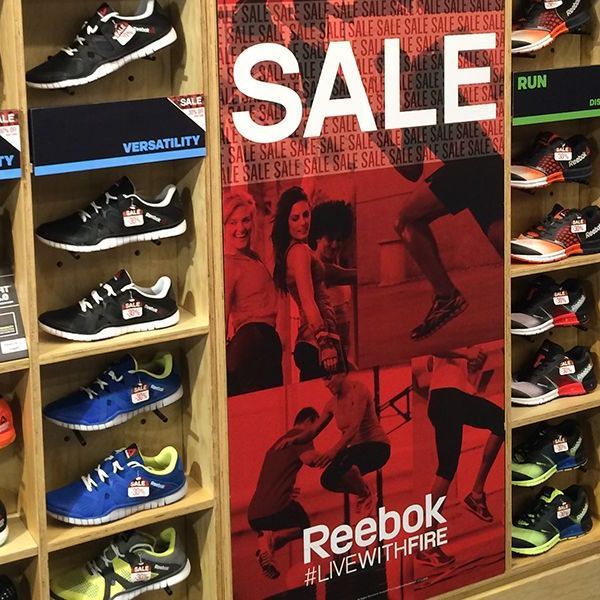
Big Box Retail
A big-box retailer is a retail store that occupies an enormous amount of physical space and offers a variety of products to its customers. These stores achieve economies of scale by focusing on large sales volumes.
OneFrame fabric signage solutions are multi-dimensional and can easily scale-up in size for these large retail locations. Our custom-made display products can fit any space, be based on the floor, wall or suspended, single or double-sided, illuminated or un-illuminated; and because OneFrame is New Zealand made; you know it's a modern, affordable, sustainable display choice.
In big box retail, directional signage is key to helping consumers navigate the large store foot print. Overhead signage is a fantastic way to utilise space and assist consumers to get to their desired location faster while large spans of lifestyle imagery add the desired ambiance. OneFrame’s lightweight aluminium frames and fabrics make them an obvious choice in this area.
Similarly, illuminated lightbox style campaign imagery can be the perfect way to showcase the seasons best sellers and stand out in the retail environment. Any retailer with a “house of brands”, multiple product lines, quick stock turns or frequently changing offers or promotions can keep signage up-to-date with new skins, printed and received within a five day period. With the easy pull tag, fabrics can be pulled down and swapped out in a matter of minutes. And shipping costs of replacement graphic skins are kept low as folded fabrics take up little space with little weight.
OneFrame fabric signage & fabric lightboxes within big box retail can be delivered for the following applications:
- hero imagery
- corporate branding
- promotional messaging
- lifestyle imagery
- illuminated imagery & messaging
- overhead structures
- portable signage
- point of sale messaging
- seasonal activity
Let's talk more about your idea, its intended application and finishing. Please contact our team who are ready to talk about the practical aspects and commercial considerations specific to big-box retail.


